Joseph Victor von Scheffel
Joseph Victor von Scheffel and the Enduring Power of German Historical Fiction
In the nineteenth century, few German writers captured the imagination of readers quite like Joseph Victor von Scheffel(1826–1886). Poet, novelist, satirist, and keen observer of history, Scheffel helped shape a tradition of historical storytelling that still resonates today—one that blends rigorous research with vivid human drama.
Born in Karlsruhe to a family that valued education, science, and intellectual curiosity, Scheffel was immersed early in both the rational and romantic currents of his age. He studied law at Munich, Heidelberg, and Berlin, but history and literature ultimately claimed his deepest loyalty. While working as a civil servant in the town of Säckingen, he wrote Der Trompeter von Säckingen (1853), a humorous and romantic tale that became a cultural phenomenon, inspiring countless editions and even an opera.
Scheffel’s greatest legacy, however, lies in his historical novel Ekkehard (1857), a richly imagined portrayal of tenth-century monastic life. Drawing on sources such as the Monumenta Germaniae Historica, Scheffel transformed medieval chronicles into living, breathing worlds. His monks, scholars, and nobles were not dusty relics of the past but recognizable human beings—torn between faith, ambition, love, and duty. Readers across generations responded enthusiastically, making Ekkehard one of the most popular historical novels of its time.
This ability to humanize history—to show how great religious and cultural institutions were shaped by ordinary people with extraordinary convictions—is precisely what makes Scheffel such a compelling figure for modern readers of historical fiction.
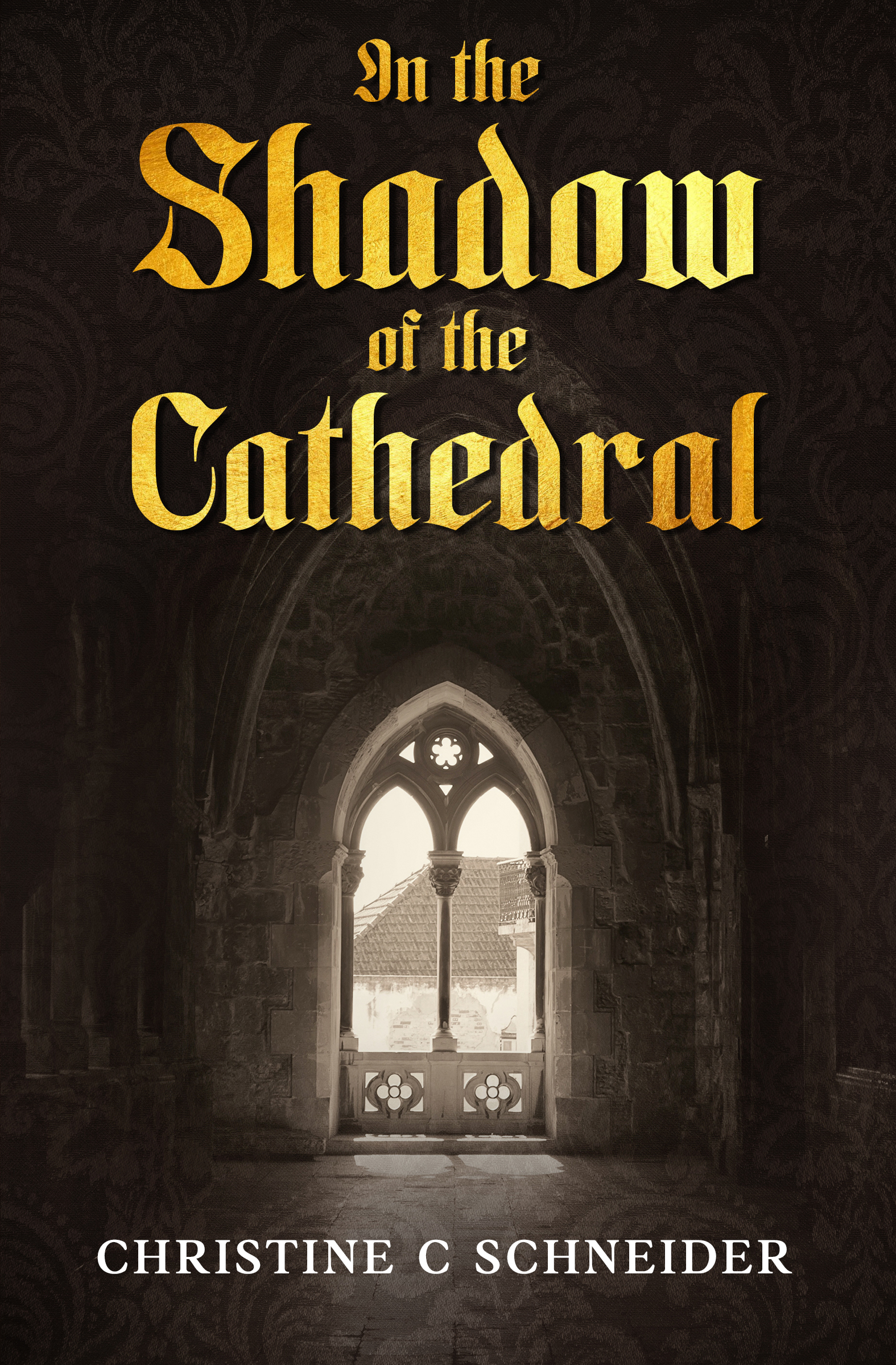
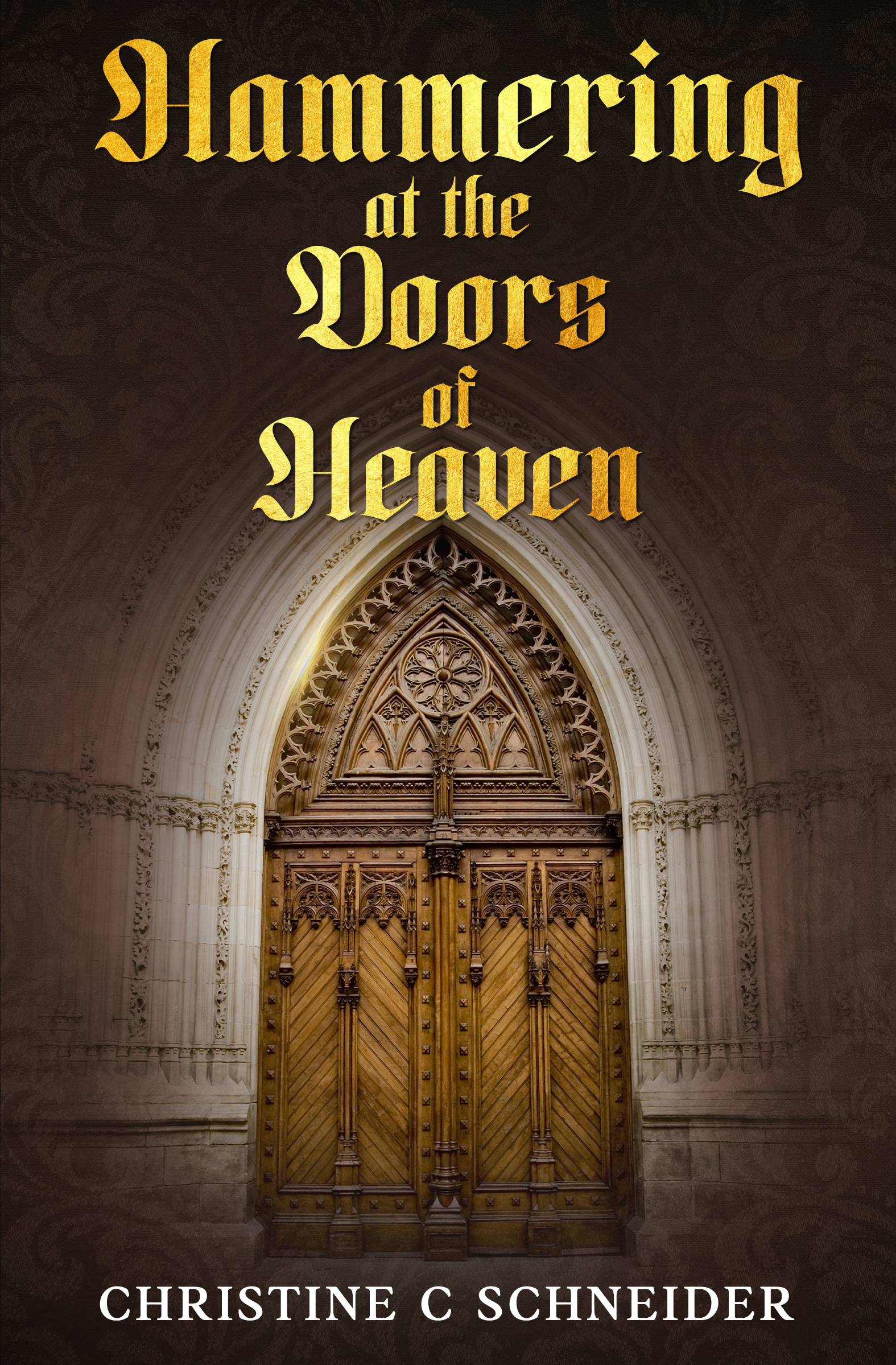
Christine Schneider’s novels In the Shadow of the Cathedral and Hammering at the Doors of Heaven stand firmly within this tradition. Like Scheffel, Schneider grounds her stories in meticulous historical research while never losing sight of the emotional stakes faced by her characters. Cathedrals rise stone by stone, religious ideals clash with human frailty, and history unfolds not as abstraction but as lived experience.
Scheffel’s own life was marked by contradictions—joyous student songs and deep melancholy, patriotic hopes dashed by the failed revolution of 1848, romantic longing alongside intellectual rigor. These tensions enriched his writing and gave it lasting power. Schneider’s novels echo this complexity, inviting readers to see the medieval world not as distant or static, but as a place of struggle, creativity, and transformation that still speaks to modern concerns.
More than a century after Scheffel’s death, his influence endures in Germany’s literary culture, from the Scheffelbund literary society to schools that still award the Scheffel Prize. His success reminds us that readers hunger for stories where history matters—where faith, politics, art, and personal courage collide.
That same hunger is what draws readers today to In the Shadow of the Cathedral and Hammering at the Doors of Heaven: novels that honor the past while illuminating the timeless human questions at its heart.
Get Your Copies Now: Shadow & Hammering

What's New?
The entire website!
New podcasts on John's Gospel

Subscribe to our feeds and get steady, high-value content from all four pillars of our website.
Yes, I want in!
Maybe I’ll put so many photo up that I’ll have to add an entire page. Maybe. Not today.



We see this kind of sunset from our west window most evenings. Its really touch living in Montana.
This website uses affiliate links which may earn a commission for purchases made at no additional cost to you.