Why Security?
The River That Could Have Saved My Student
I was a professor of intercultural studies at a small college in the United States. Every semester, my students completed internships in cultures far different from their own—often in remote villages outside the U.S. One bright, capable young woman I’ll call Emily chose Serbia for her placement. She was excited to immerse herself in the local community, learning the language, customs, and daily rhythms of village life.
During her very first week, following standard protocol, Emily registered her location with the U.S. Consulate in Vienna, Austria. Just days later, troubling reports emerged: a terrorist group was advancing toward her village from the east and south. The consulate quickly contacted her with a strong recommendation to evacuate immediately. Several other Americans in the small village brushed off the warning. “Nothing bad has ever happened here before,” they said. They chose to stay put.
Emily called her mother in Canada in a panic. Her mom then reached out to me. Emily was torn—she wanted to honor her commitment to the internship but sensed the growing danger. She asked for my advice: if she decided to stay just a little longer, what should she do?
I pulled up a detailed map of her remote location. To the north lay impassable mountains. The only viable escape route was west, and the single practical path was a small river running through the area. I told her plainly: Don’t wait “a little longer.” The consulate’s warning was serious, and history is full of people who ignored the first signs of trouble because “it had never happened before.” If the situation worsened, her best—and possibly only—chance was to grab her backpack, jump into the river, and cling to a sturdy piece of wood to float downstream to safety.
I gave her specific, practical advice on what to stuff in that backpack before she went:
- Her passport, student ID, some cash in USD or Euros, credit cards, and a list of emergency contacts (including the consulate, my number, and her mom’s)—all sealed in double ziplock bags. These would prove her identity and get her help once she reached a town or checkpoint.
- Her cell phone in a waterproof case, plus a charged portable power bank and cable.
- A basic first-aid kit with bandages, antiseptic, painkillers, and any personal medications.
- High-energy, no-cook food like energy bars, nuts, or jerky.
- Water purification tablets or a simple filter.
- A mylar space blanket, lightweight rain poncho or garbage bags for warmth against hypothermia.
- A small multi-tool or pocket knife, some paracord, a headlamp with extra batteries, a whistle, and a signal mirror.
- One pair of dry wool socks and underwear sealed tight, plus a printed or saved map of the river’s westward path.
I emphasized tying the backpack securely to her flotation wood so she wouldn’t lose her supplies, wearing quick-drying layers, and keeping her shoes on for the rocky riverbed. Most of all, I urged her not to delay: “If you want to wait a bit longer, I advice against this, but if you do, then pack this now and go at the first real sign of danger.”
Emily listened carefully. She prepared the backpack exactly as I advised and kept it ready right up until the last minute. In the end, she never had to jump into the river and float to safety. The terrorist group was thwarted before they reached the village. But Emily later told me how grateful she was for the advice. Even though the evacuation never became necessary, having that clear, practical plan gave her a profound sense of security and calm during those tense days. She felt empowered and prepared instead of helpless and anxious.
The other Americans who had dismissed the warning remained on edge and uncertain throughout the crisis.
Why This Story Matters for Travelers Today
This isn’t just a tale from one student’s internship—it’s a powerful example of what every traveler needs in an unpredictable world. Global travel has exploded, but so have sudden risks: regional conflicts, terrorist threats, natural disasters, or civil unrest that can flare up with little warning. Emily’s story shows that smart preparation and decisive action beat denial every time.
The “nothing bad has ever happened before” mindset is dangerously common. It lulls people into staying put when authorities (like consulates) issue clear warnings. Today, with tensions in many parts of the world—including border areas in the Balkans and beyond—travelers face similar scenarios. Whether you’re an intern, tourist, or business traveler, you need:
- To register with your embassy or consulate upon arrival.
- A realistic escape plan based on geography (maps, routes, natural “highways” like rivers).
- A lightweight, waterproof “go-bag” focused on identity, communication, warmth, basic medical needs, and sustenance—exactly the kind of practical kit that gave Emily peace of mind.
- The courage to act early and prepare thoroughly, even if the worst never happens.
In our interconnected but unstable times, complacency can cost lives, while preparation brings calm. Emily never had to flee down the river, but she was deeply thankful for the feeling of security that came from having a solid plan ready. Heeding official advice, thinking through worst-case scenarios, and packing for a rapid exit aren’t signs of fear—they’re acts of wisdom and responsibility.
This story has stayed with me as a professor because it turned a potential crisis into a lesson in resilience and preparedness—one I now share with every new class of interns. Pack smart, stay alert, and never assume “it won’t happen here.”
Yes, I want in!
What's New?
The entire website!
Yes, I want in!
Maybe I’ll put so many photo up that I’ll have to add an entire page. Maybe. Not today.
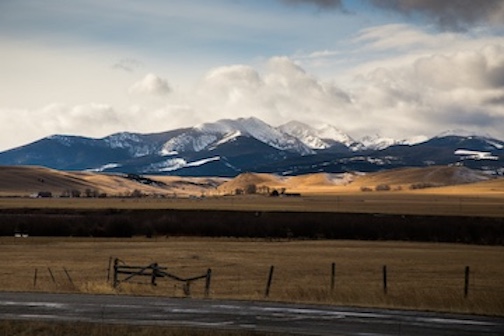

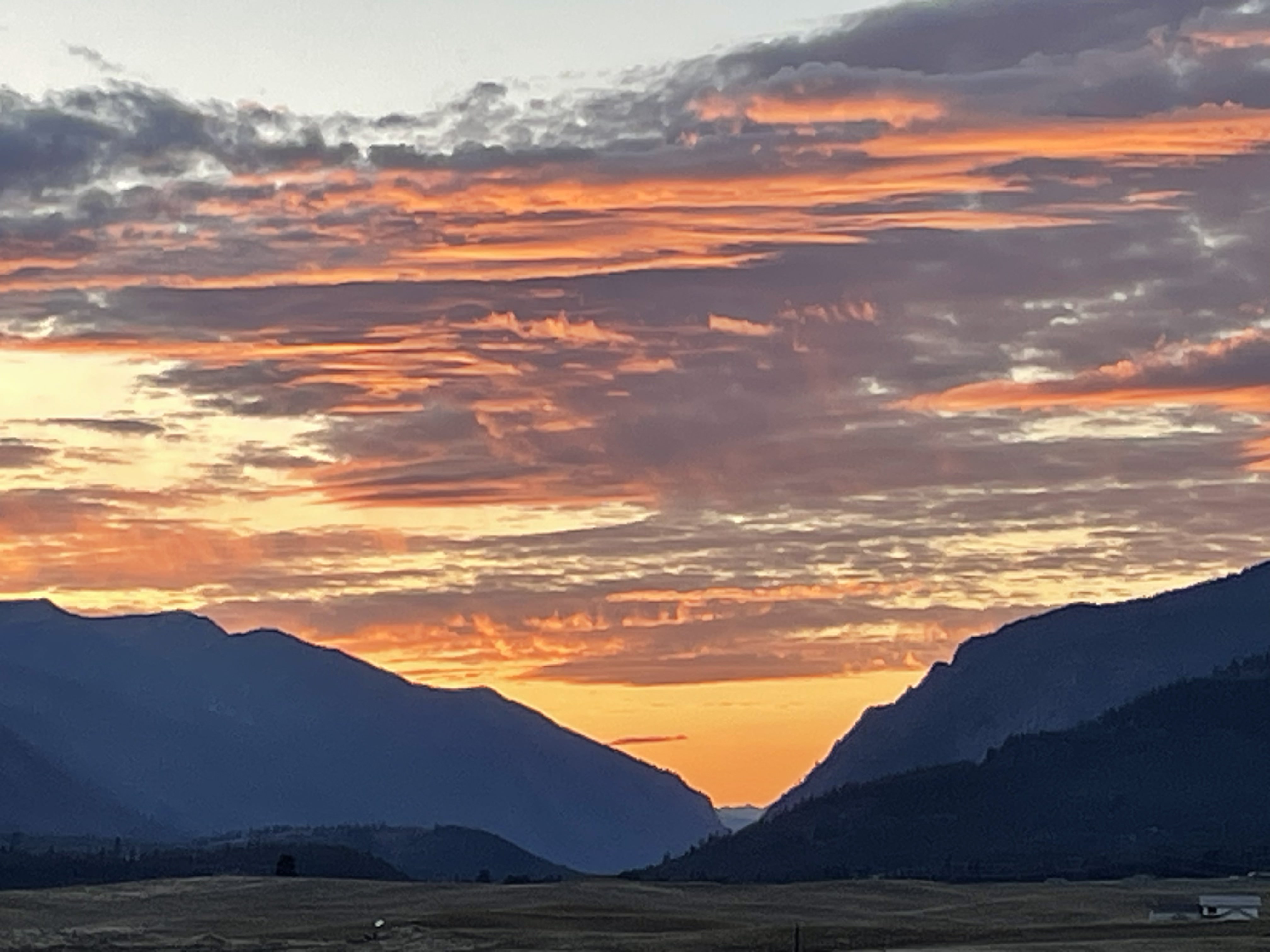
We see this kind of sunset from our west window most evenings. Its really touch living in Montana.
This website uses affiliate links which may earn a commission for purchases made at no additional cost to you.